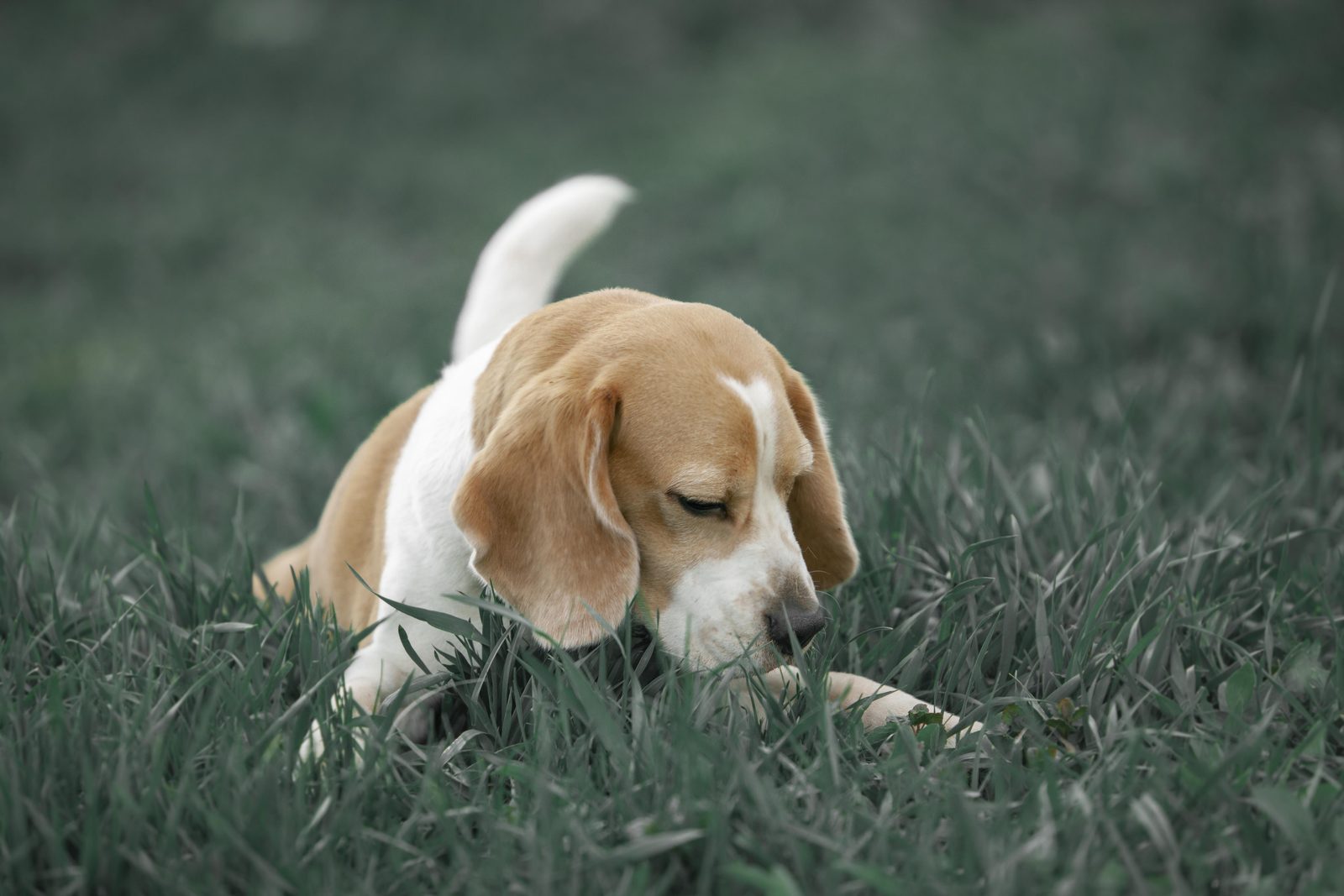
What vaccinations does a beagle need and when?
Professional beagle kennel "Alpine Flowers" can help clarify this question.
Leptospirosis
A vaccine against the disease caused by bacteria of the genus Leptospira. This disease can affect a wide range of animals, including dogs, cats, livestock, pigs, and humans.
Leptospira bacteria typically enter the body through contact with contaminated water, contaminated soil, or direct contact with infected animals or their urine. They can penetrate through body openings such as the mouth, nose, eyes, or through broken skin.
- Fatigue and weakness
- Loss of appetite
- Fever
- Muscle pain or tenderness
- Vomiting
- Diarrhea
- Cough
- Further development of the disease:
- Kidney problems, such as kidney failure
- Liver issues
- Inflammation of the eyes (uveitis)
- Bleeding
- In severe cases, shock or sepsis may develop
Symptoms of the disease:

DHPPi for dogs
A vaccine for the prevention of canine distemper, infectious hepatitis, parvoviral enteritis, and canine parainfluenza.
DHPPi vaccination is a crucial part of veterinary prevention for dogs, and it is recommended that owners maintain an up-to-date vaccination schedule according to their veterinarian's advice.
- D - Distemper (Canine Distemper Virus, CDV): Distemper is a viral disease that can affect a dog's respiratory, nervous, and gastrointestinal systems. It is often fatal or can lead to serious complications.
- H - Hepatitis (Canine Infectious Hepatitis, CAV-1): Canine hepatitis is caused by the type 1 infectious hepatitis virus and can lead to liver, eye, and kidney diseases.
- P - Parvovirus (Canine Parvovirus, CPV): Canine parvovirus is a highly contagious virus that causes acute and often fatal disease in the gastrointestinal tract.
- Pi - Parainfluenza (Canine Parainfluenza Virus, CPiV): This virus is one of the causes of kennel cough in dogs, and it can also lead to other upper respiratory infections.
Vaccination against:

Rabies
The rabies vaccine is a product designed to protect dogs from rabies, a viral infectious disease caused by the rabies virus. This vaccine contains viral antigens that stimulate the dog's immune system to produce antibodies against the rabies virus. After vaccination, the dog's immune system becomes capable of effectively combating the infection.
- Changes in behavior
- Mild limb weakness
- Mild neurological symptoms
- Changes in appetite and body weight
- Slightly elevated body temperature
- Further development of the disease:
- Paralysis and loss of body control
- Increased swelling and pain at the bite site
- Seizures and convulsions
- Breathing difficulties, leading to the final stage
Symptoms of the disease: